
Whale Clash introduces fast-paced underwater combat where every phase changes target behavior and scoring rhythm. Each engagement demands precise tracking across shifting movement patterns and layered attack waves. This experience is enhanced with structured progression systems supported by JL86 for consistent battle flow.
Whale Clash gameplay structure and scoring system
The system divides combat into layered stages where targets evolve in speed and resistance. Players encounter shifting formations that require rapid adaptation during extended battle sequences. Scoring is determined by target size, hit sequence and survival duration within each combat phase.
Combat flow design and interaction rhythm
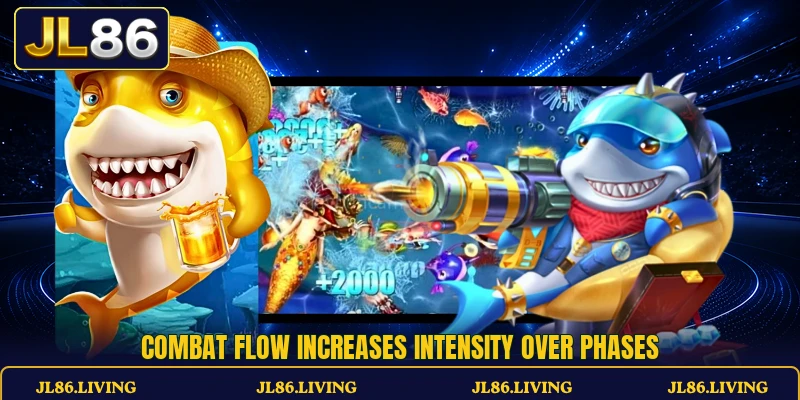
Early phases contain slower targets to establish rhythm and positioning accuracy, allowing smoother adjustment across basic movement patterns. Later phases increase density, forcing continuous tracking across multiple directions with higher pressure on reaction timing.
Final wave transitions remove pauses between attacks, creating uninterrupted engagement cycles across the entire battlefield. This structure keeps combat active while pushing timing precision to its peak level under sustained intensity.
Reward scaling and scoring logic system
Medium-class targets appear in clusters of five to seven during mid phases, creating dense combat moments with stable engagement patterns. These clusters generate consistent opportunities for chain scoring and rapid point accumulation across short attack windows.
Rare targets spawn individually during advanced stages with unpredictable movement paths that shift direction frequently. Eliminating these targets provides higher score boosts compared to standard encounters and requires precise timing to secure hits.
Stage progression and difficulty escalation pattern
Whale Clash increases difficulty through structured environmental shifts across underwater zones, creating gradual changes in combat pressure. Each zone modifies movement speed and target resistance levels, requiring continuous adjustment during engagement.
First zone maintains predictable movement patterns for orientation building and basic accuracy training. Second zone introduces mixed speed targets requiring directional adjustment across alternating attack paths.
Whale Clash ocean battle zones and challenge arenas
Each arena modifies visibility, movement patterns and target density across engagement phases. Arena transitions occur after fixed encounter thresholds during extended gameplay sessions. These transitions maintain pacing while introducing new tactical conditions.
Coral reef zone engagement patterns
Targets frequently move in circular patterns around reef structures, creating predictable arcs that support timing-based attacks during early engagements. This movement pattern helps stabilize aiming rhythm across clustered underwater zones.
Group formations appear every fifteen seconds during active engagement, introducing structured bursts of multiple targets. Each group contains up to six targets with mixed resistance levels, requiring quick adjustment between different damage thresholds.
Deep ocean pressure zone mechanics
Targets emerge from multiple directions without fixed entry points, creating unpredictable encounter paths across the battlefield. This randomness increases pressure during continuous combat cycles and demands faster directional awareness.
View more: Reef Rush Fast Underwater Fishing Overview Complete Guide
Movement Whale Clash speed increases during mid engagement phases significantly, reducing reaction windows between attacks and increasing overall combat pressure. Players must adjust tracking speed to maintain scoring consistency while handling rapidly shifting target flows across multiple directions.

Abyss storm zone final challenge layout
Targets appear in overlapping formations across multiple vertical layers, increasing engagement complexity across stacked battlefield zones. This structure creates simultaneous engagement across different screen zones, requiring continuous multi-directional tracking.
Final stage cycles repeat every twenty seconds without pause intervals, sustaining nonstop attack sequences throughout the encounter. This continuous pressure defines the highest difficulty level, demanding stable accuracy under constant movement intensity.
Whale Clash advanced weapon systems and upgrades
Each weapon type provides unique firing speed and penetration characteristics across different combat scenarios. Upgrade paths enhance performance across accuracy, range and damage output metrics over time. Weapon evolution directly impacts scoring efficiency during extended battles with higher intensity phases.
- Harpoon blaster system: Fires straight-line shots with stable accuracy across medium distance encounters. Each projectile maintains consistent trajectory even during fast movement phases across shifting targets.
- Plasma net launcher: Expands wide capture zones affecting up to eight targets simultaneously during clustered formations. This system performs strongest when multiple targets move within close proximity patterns.
- Depth charge cannon Whale Clash: Triggers delayed explosive impacts with expanding circular radius across targeted zones. Timing control becomes critical when enemies shift position before detonation occurs.
- Rapid pulse rifle: Sustains continuous fire streams for tracking fast-moving targets across extended engagement periods. Heat buildup gradually limits firing duration, requiring controlled usage across longer battles.
- Tracking sonar system: Reveals hidden targets in low-visibility zones to support improved reaction timing during complex encounters. Detection coverage extends across the full battlefield, supporting multi-directional awareness.
Whale Clash common mistakes during early battles
Game new participants often misread movement patterns during early engagement phases. These mistakes reduce scoring potential during initial combat cycles. Understanding early stage mechanics improves long-term performance consistency.
Improper target prioritization approach
Many focus on largest targets ignoring chain opportunities, reducing efficiency during dense encounter waves. This approach limits overall score accumulation during clustered formations where multiple hits could be chained effectively and consistently.
Balanced targeting increases reward flow across the entire engagement cycle by distributing hits more evenly. Switching between target sizes improves scoring rhythm stability and maintains consistent point generation across different phases.
Misalignment Whale Clash during movement tracking
Players often lock onto single direction movement patterns, reducing adaptability during shifting combat flows across different underwater zones. This leads to missed opportunities during cross-direction transitions where targets change lanes rapidly and appear from unexpected angles.
Dynamic adjustment improves hit consistency across multiple wave types by responding to real-time movement changes in each engagement phase. Maintaining flexible tracking increases survival across advanced zones with faster target speed, tighter spacing, and more complex attack sequences.

Ignoring stage transition signals
Visual shifts occur before Whale Clash difficulty spikes across each arena, signaling upcoming changes in target behavior and movement intensity. Recognizing these shifts improves preparation timing and helps maintain stable accuracy during rapid transitions.
Early adaptation reduces pressure during final combat cycles by allowing faster response to escalating attack patterns. This awareness supports smoother progression across extended sessions where timing windows become increasingly narrow.
View more Category: Fish
Conclusion
Whale Clash delivers structured underwater combat with layered progression, scoring depth and adaptive weapon systems. Each arena introduces unique tactical demands that shape player JL86 decision speed. Mastery develops through understanding movement patterns, scoring mechanics and weapon synergy.